
Role
Product designer, UX Researcher
Deliverables
Mobile app
Industries
Web3 X Fintech
Date
2022
50% Faster Setup
Slashed time-to-creation from 8 mins to 4 mins by cutting redundant screens.
+30% Completion Rate
Projected lift in onboarding success, benchmarked against Coinbase’s progressive flow.
40–60% Higher Retention
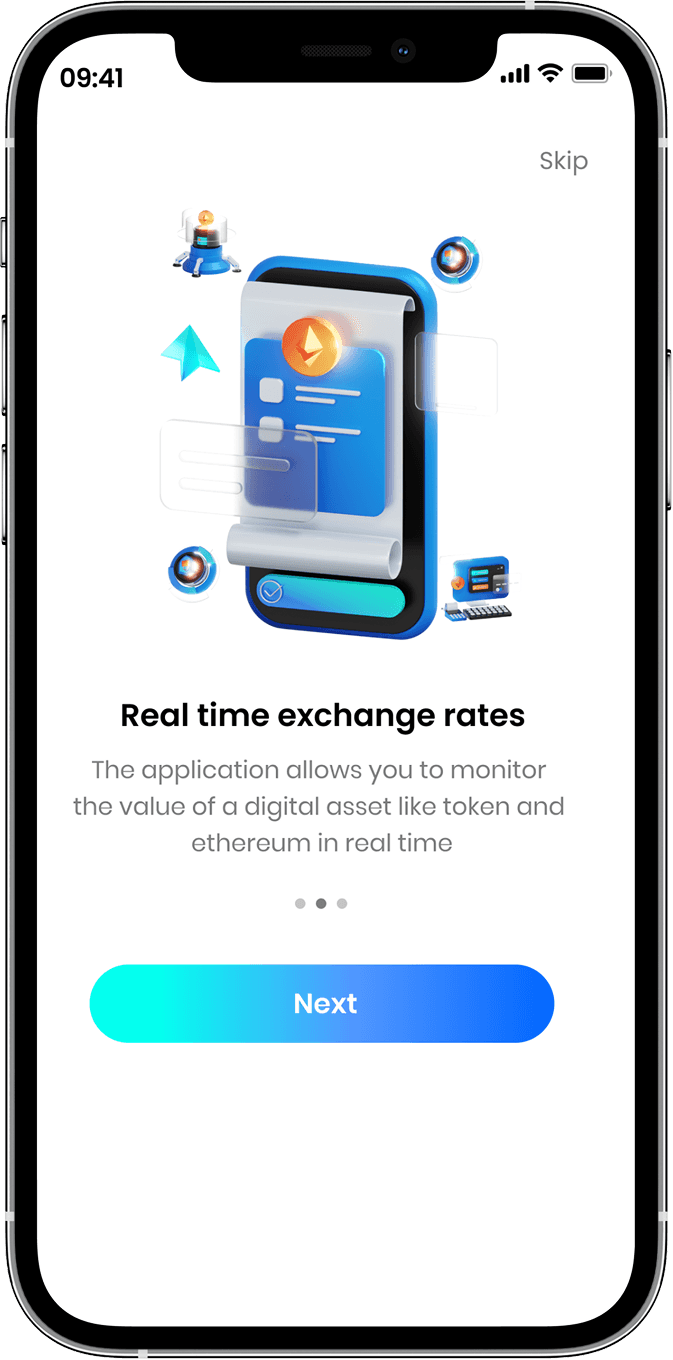
Users are projected to return within 24 hours thanks to clearer market data visibility.
Industry Validation
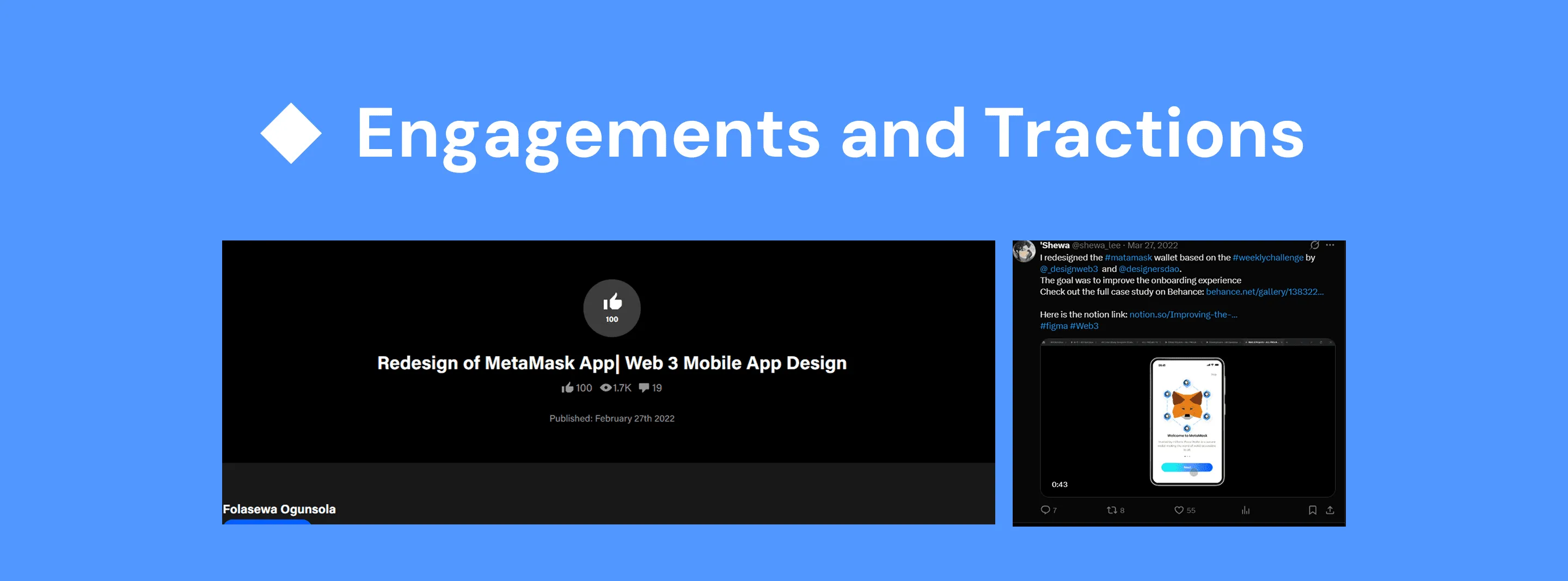
4 Web3 founders reached out to adapt these patterns, plus 100+ engagements on Behance & Twitter.
"MetaMask was built for experts, but used by everyone. The lack of guidance and a confusing interface sent new users straight to YouTube tutorials instead of their wallets."
The pattern was clear: MetaMask assumed users already knew crypto, so new people were left guessing or seeking help outside the app.
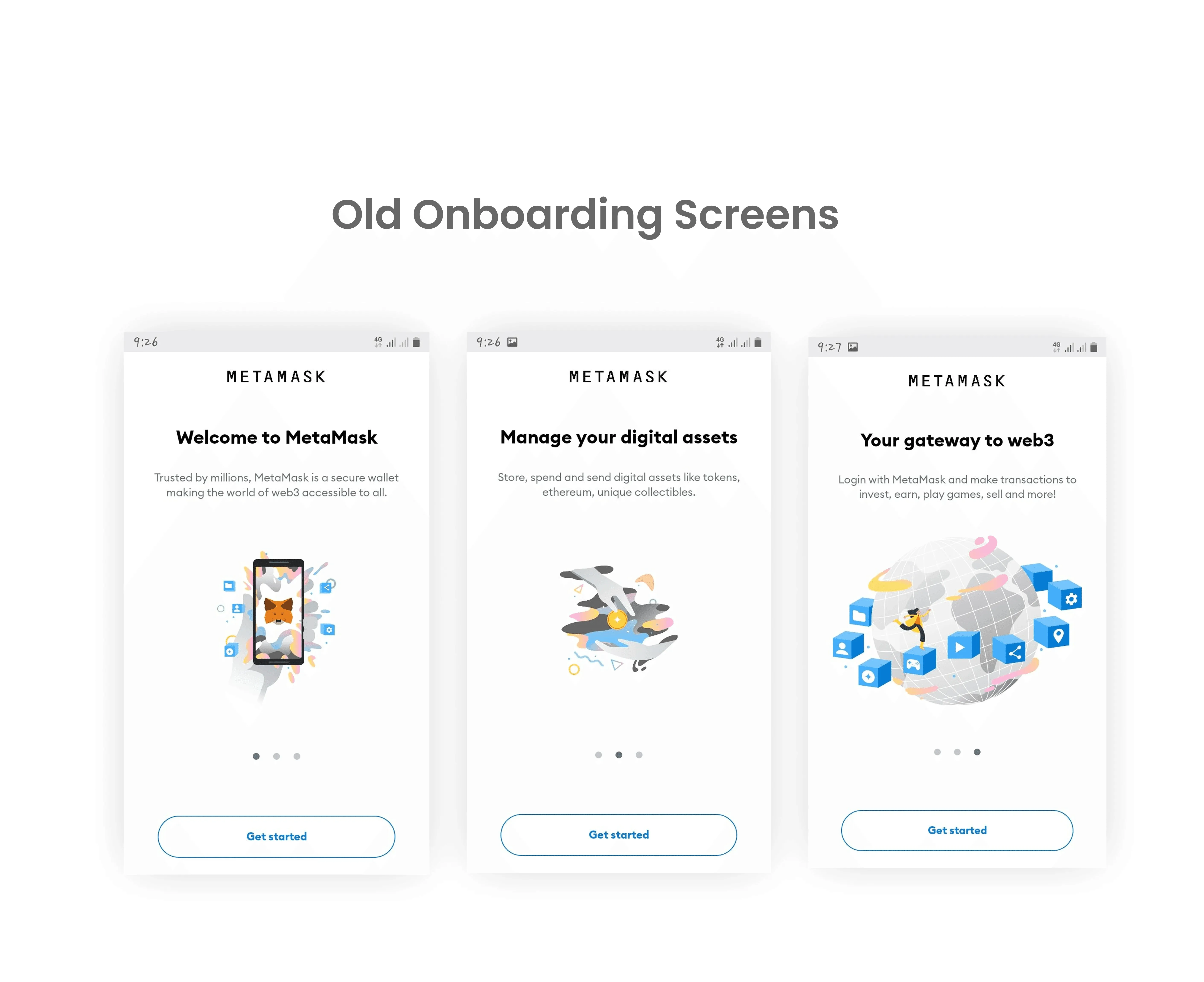
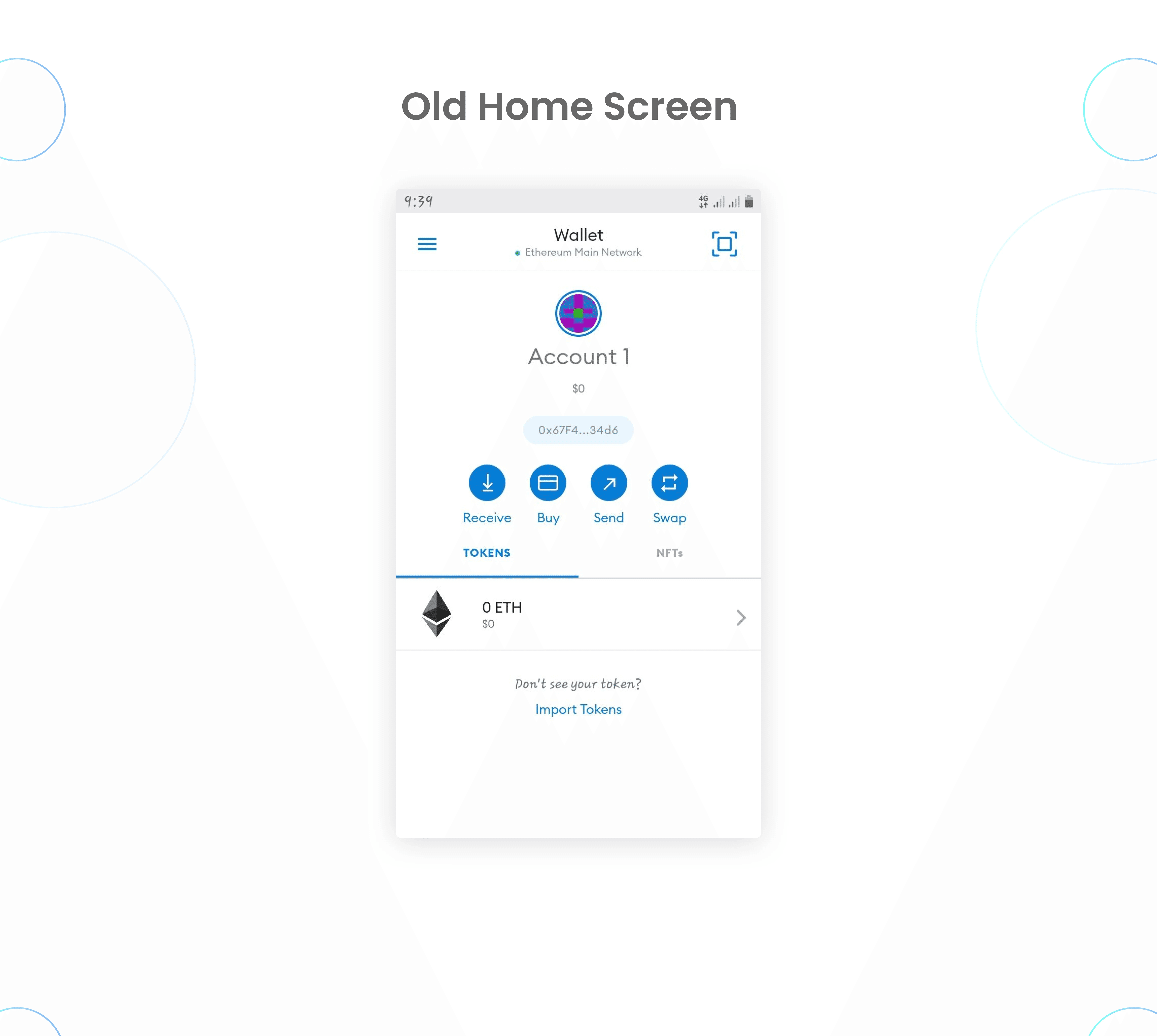
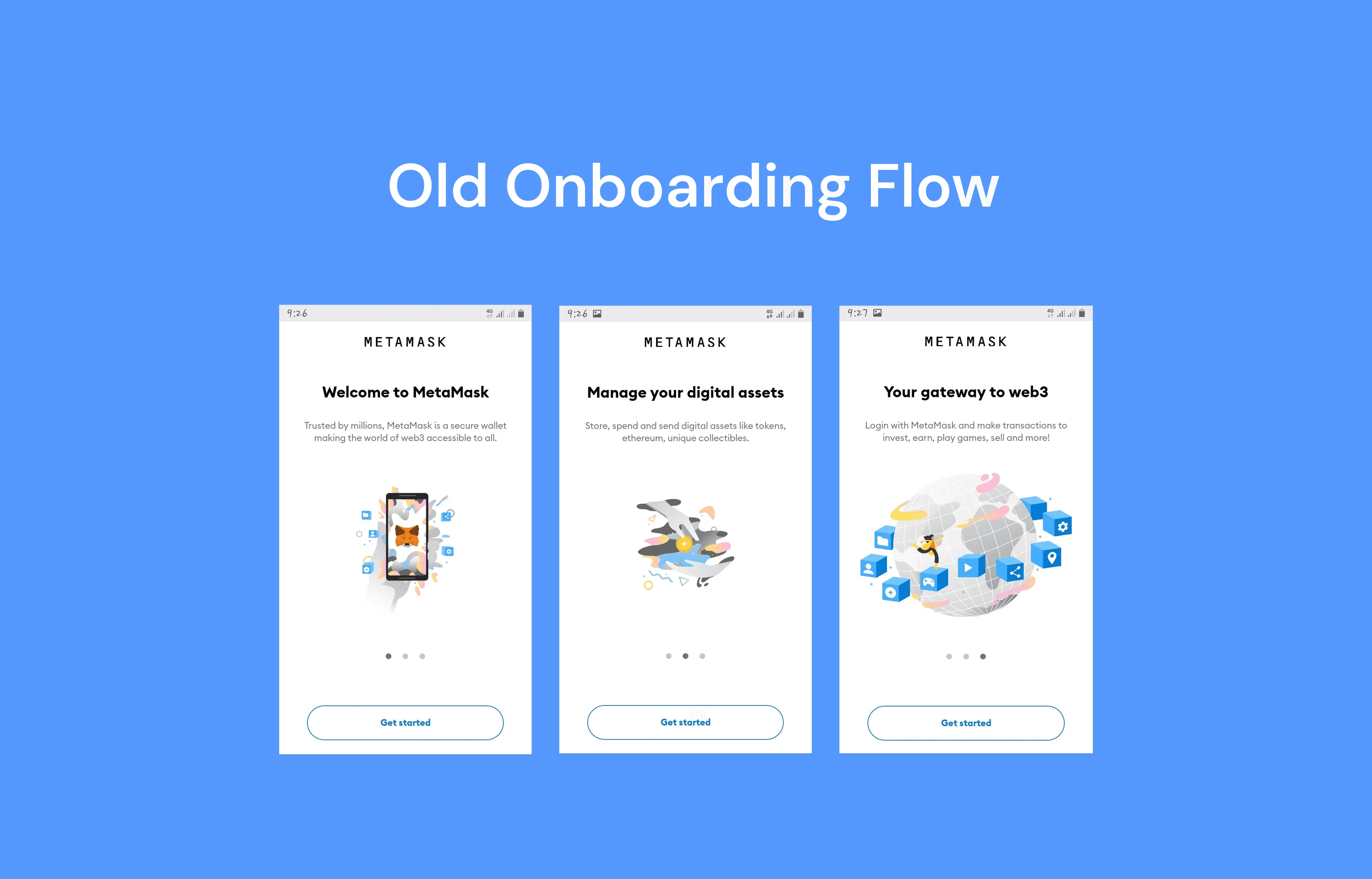
Solo redesign. Two critical touchpoints: the onboarding flow where new users create their wallet, and the homepage where they either feel confident or confused.
The tricky part: Security requirements can't be dumbed down. Seed phrases are essential, not optional. But the current flow treated users like they already understood crypto, when most were just trying not to mess up. I had to keep the security, lose the intimidation.
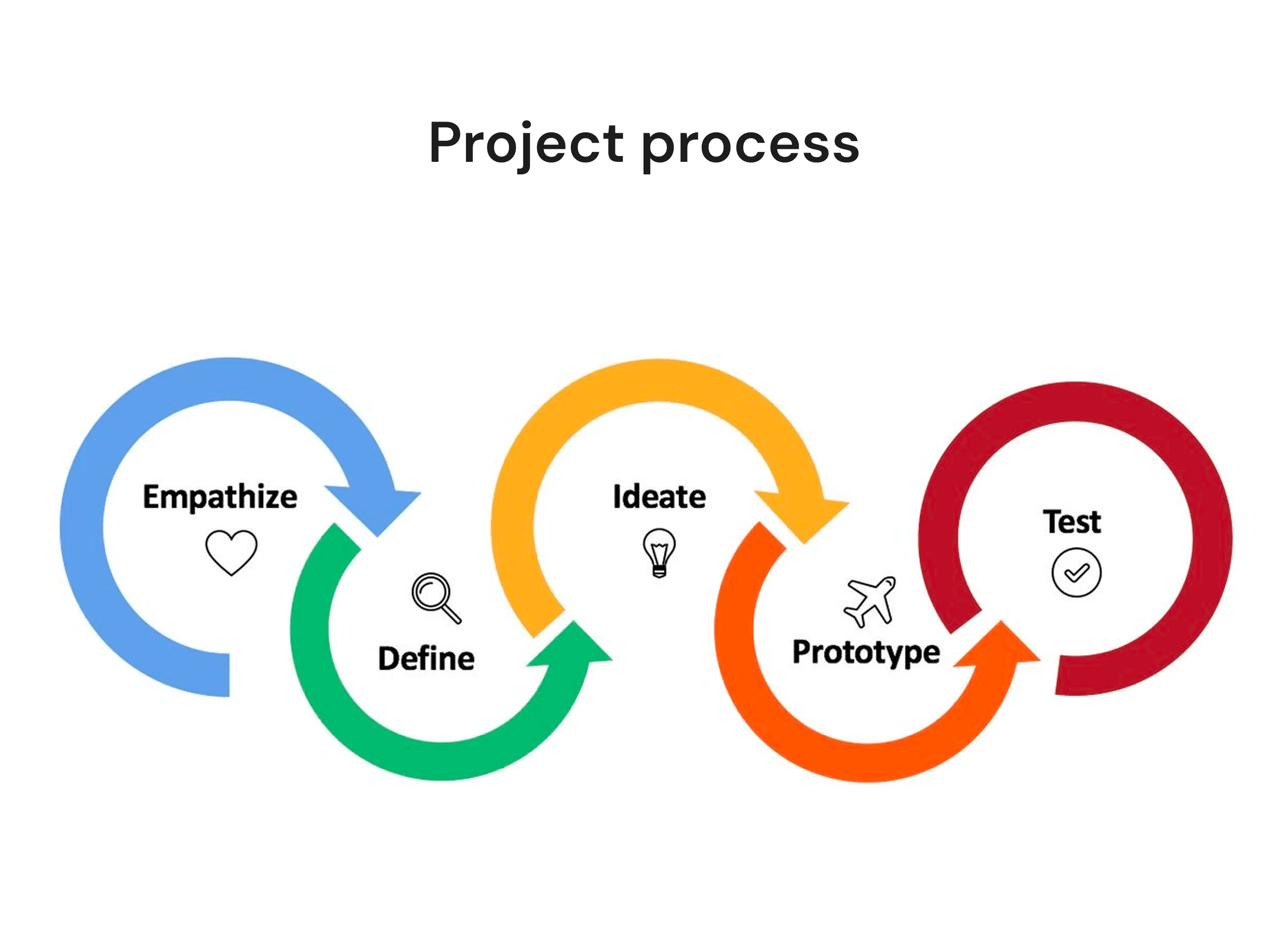
I analyzed MetaMask's flow, studied user feedback (Reddit, Twitter, reviews), and walked through competitor onboarding to find the pattern.
What users said:
"Too much upfront." "Don't understand seed phrases." "Scared I'll lose money." MetaMask was front-loading security before users even decided to commit.
The insight:
You can't teach security while someone's deciding whether to trust you. Get them started first. Teach them after.
New approach:
Build trust early → Introduce security progressively → Make the homepage actually useful.
Two connected experiences: confident onboarding, informative home page.
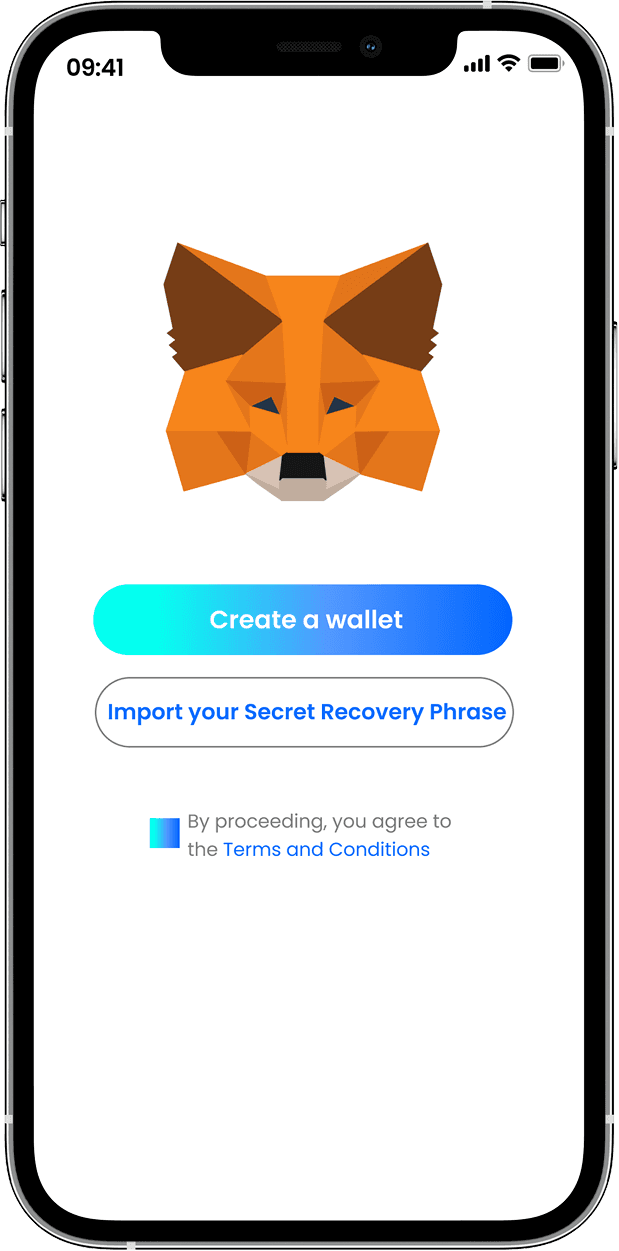
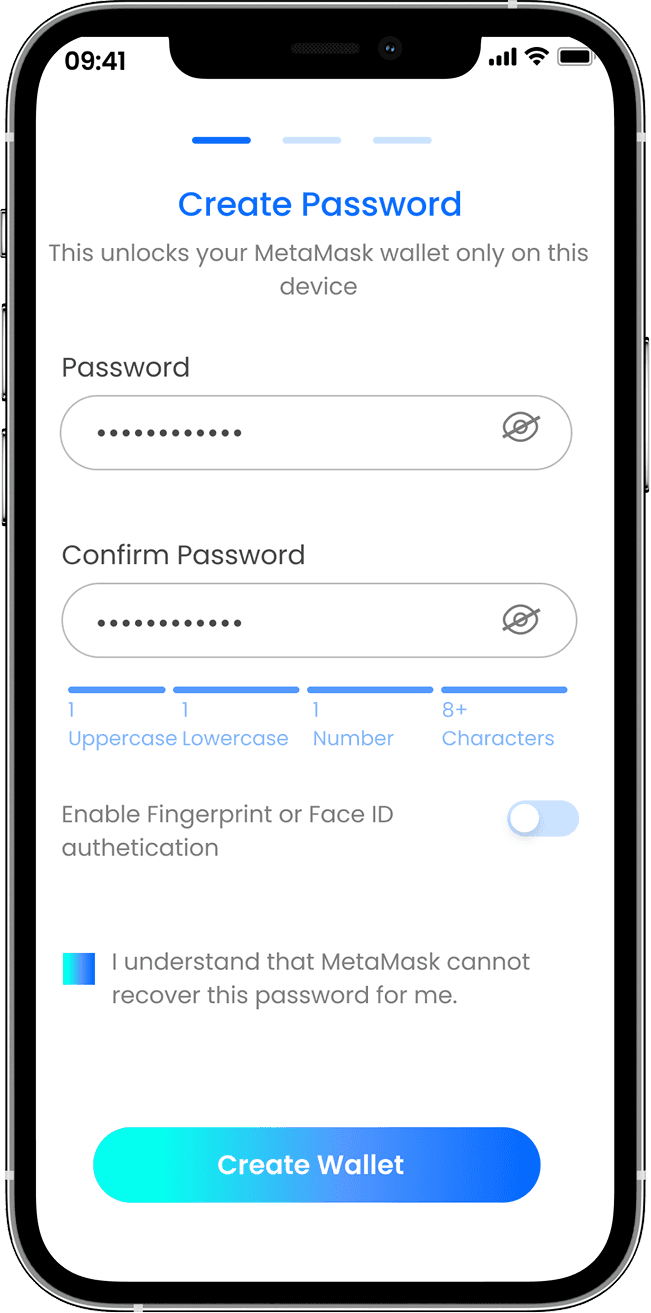
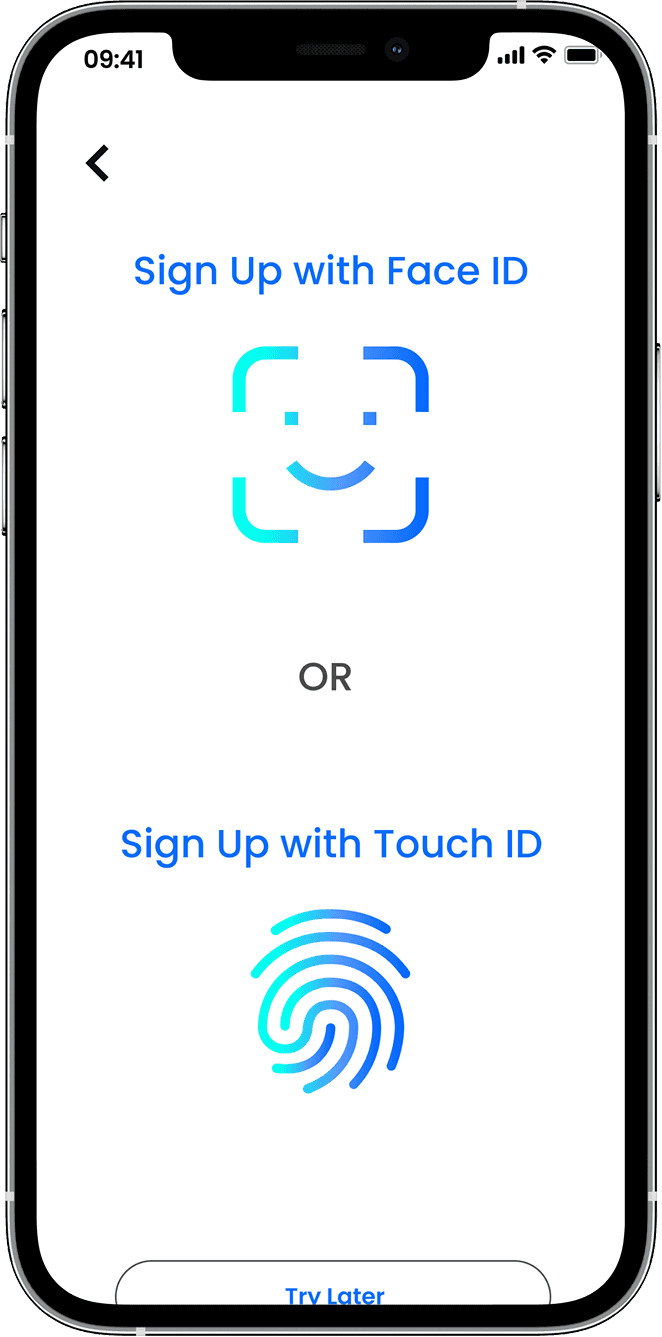
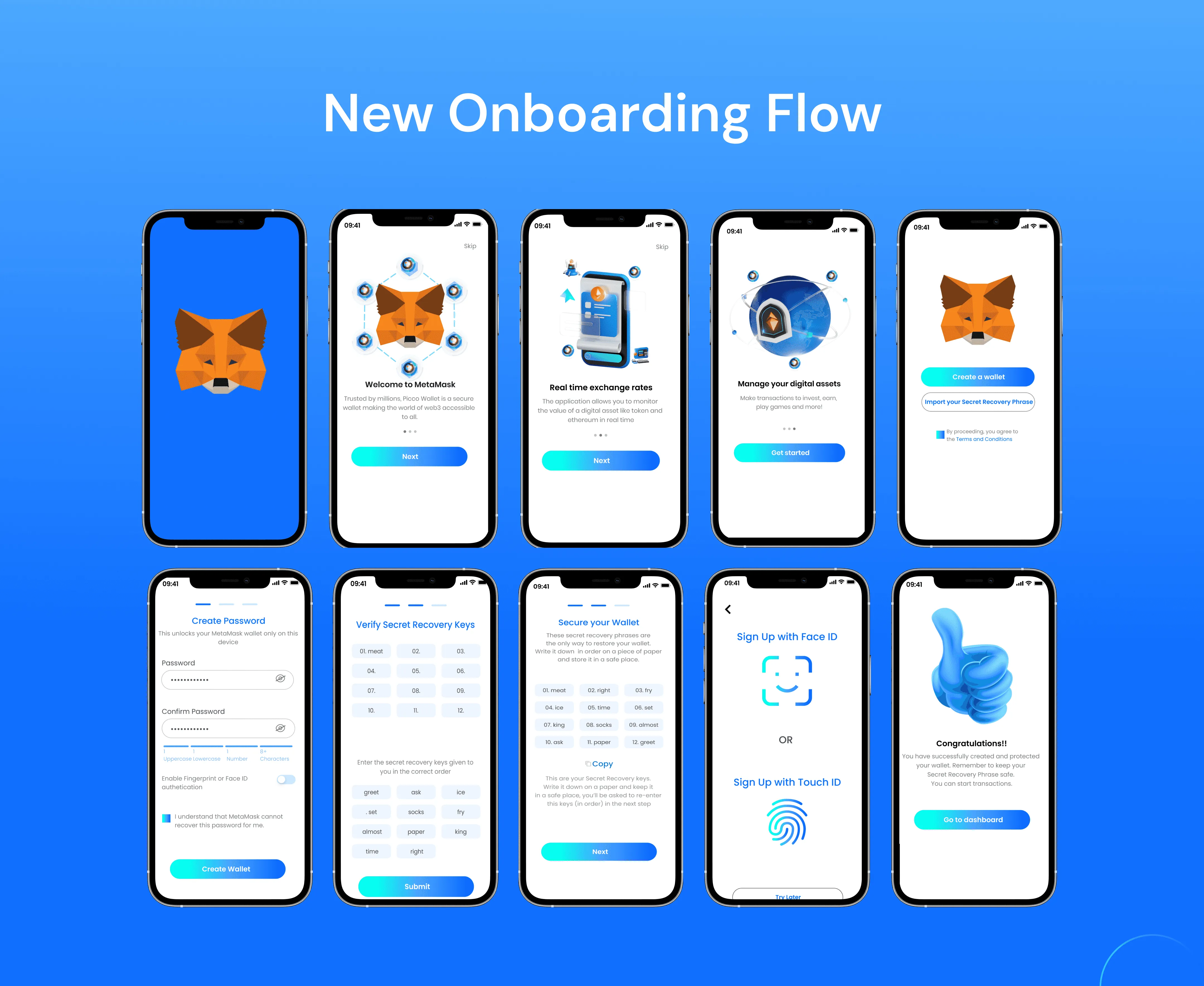
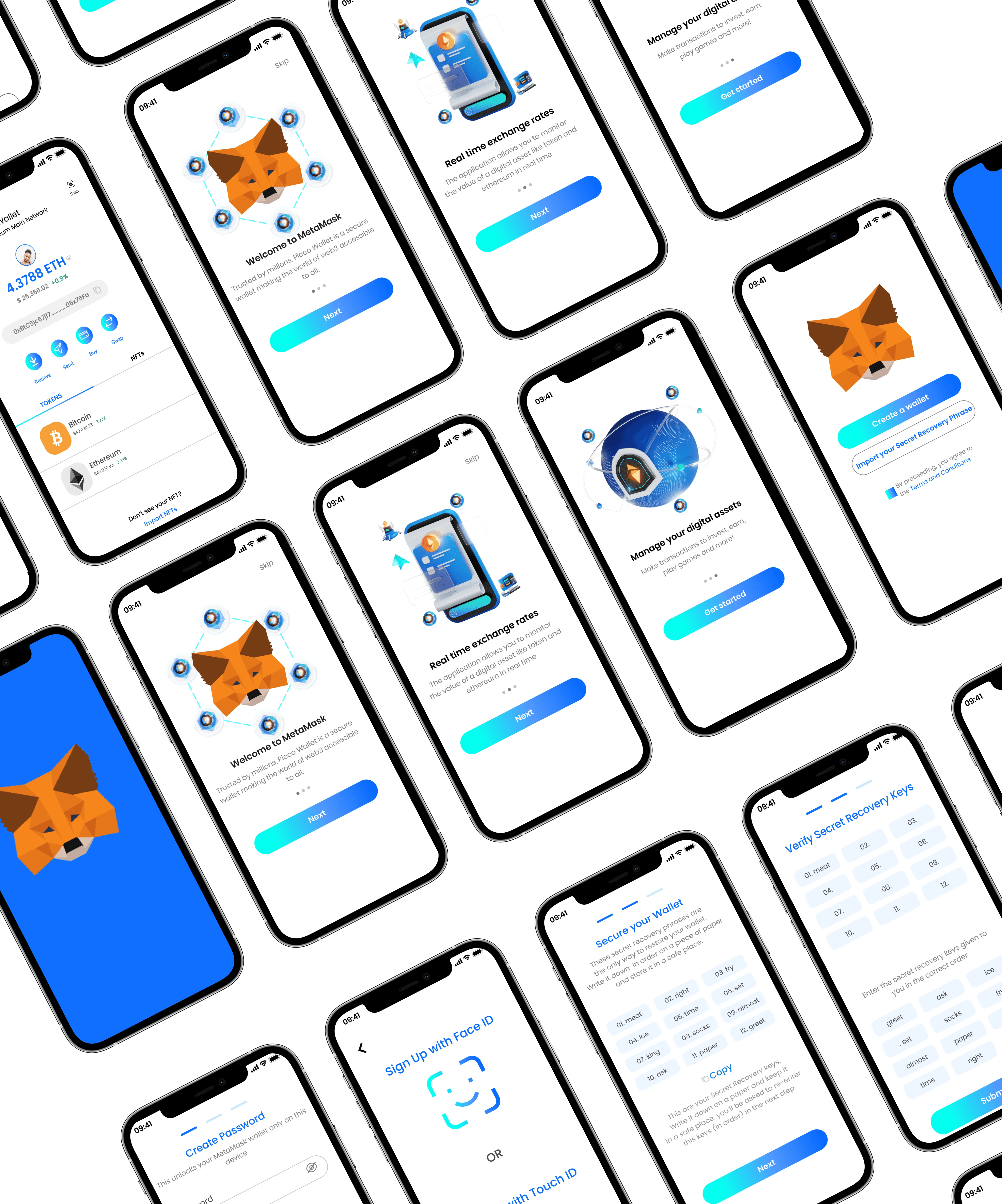
Onboarding redesign:
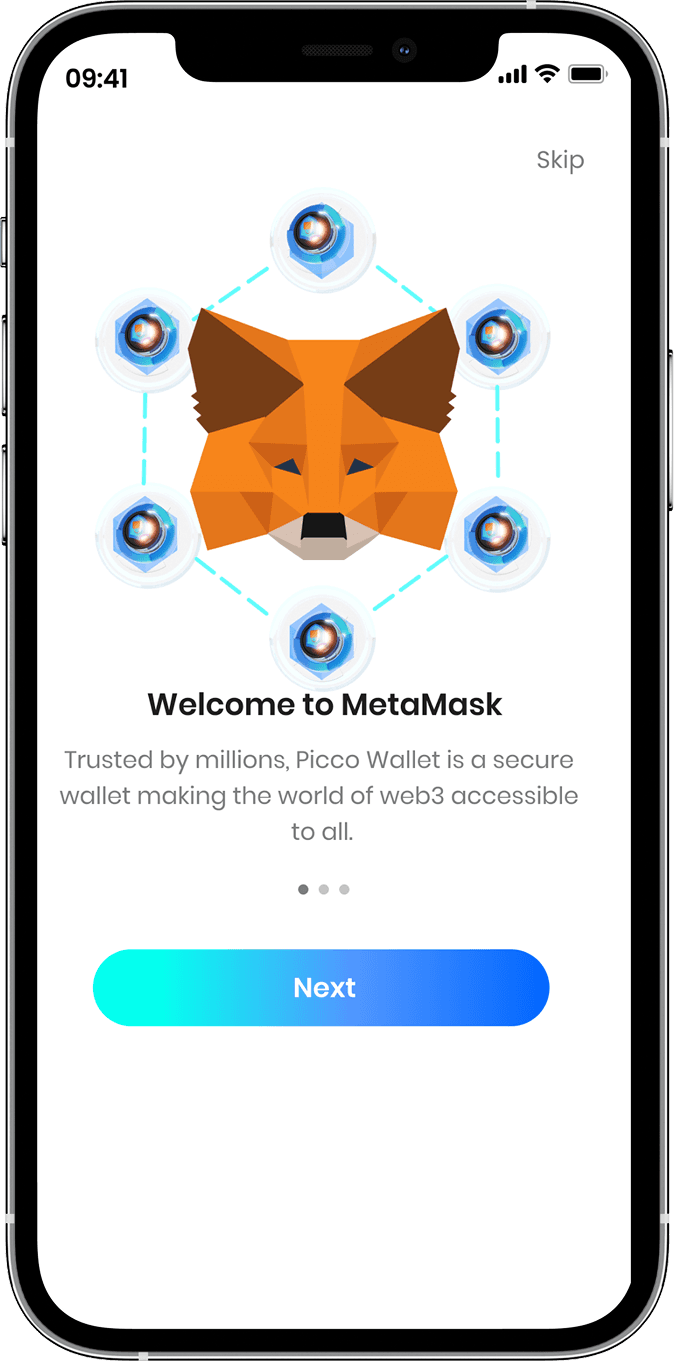
→ Screen 1: Pure value. "Your wallet for the decentralized web." Show what you can do: buy crypto, connect apps, own assets. No jargon yet.
→ Screen 2: Two paths. "New to crypto" or "Have a wallet already." Reduces cognitive load, tailors experience.
→ Screen 3: Seed phrase intro with analogy. "Master password only you know. We can't reset it, so only you control your money." One concept, clear stakes.
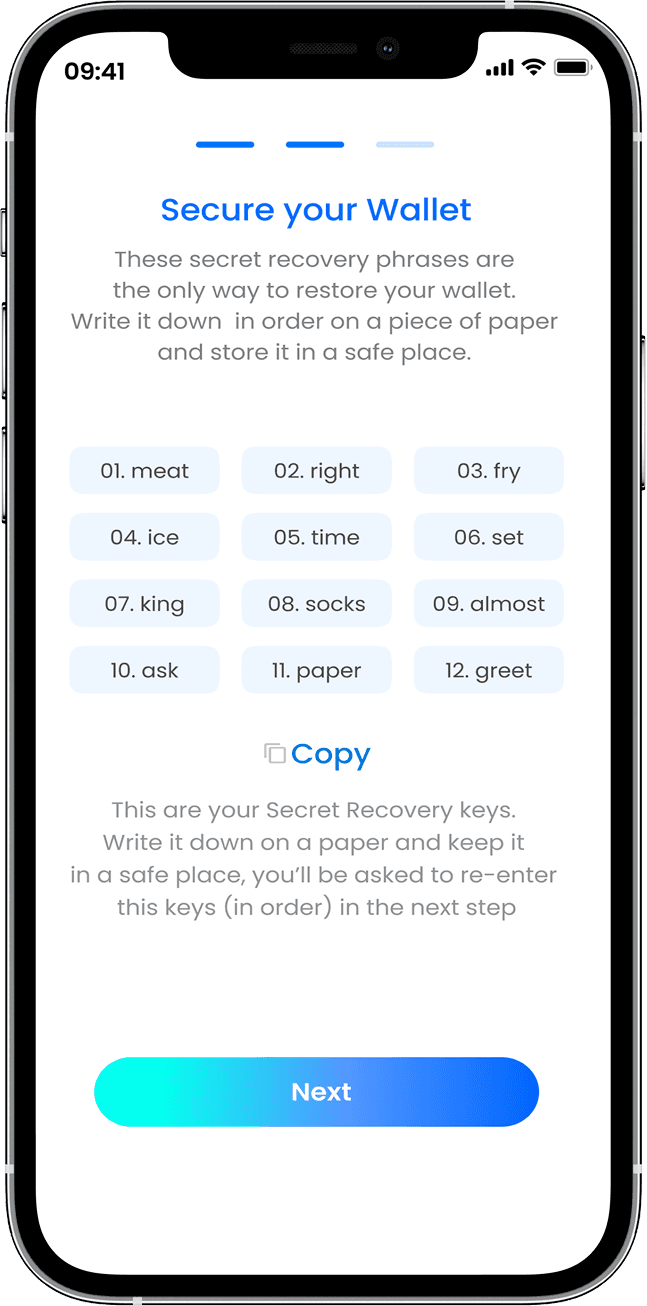
→ Screen 4: Generate seed phrase with progressive reveal. 3 words at a time, "Show next" button. Stops overwhelm, forces attention over panic screenshots.
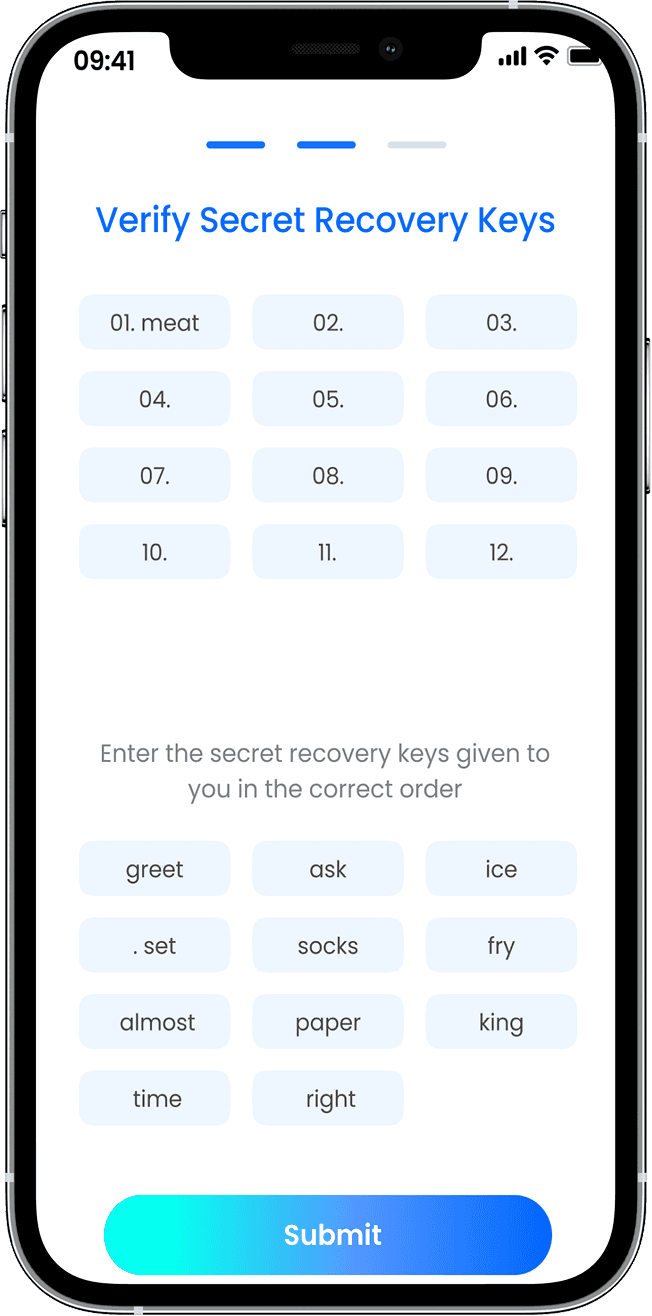
→ Screen 5: Verify with 4 words, not 12. Confirms attention without feeling punitive.
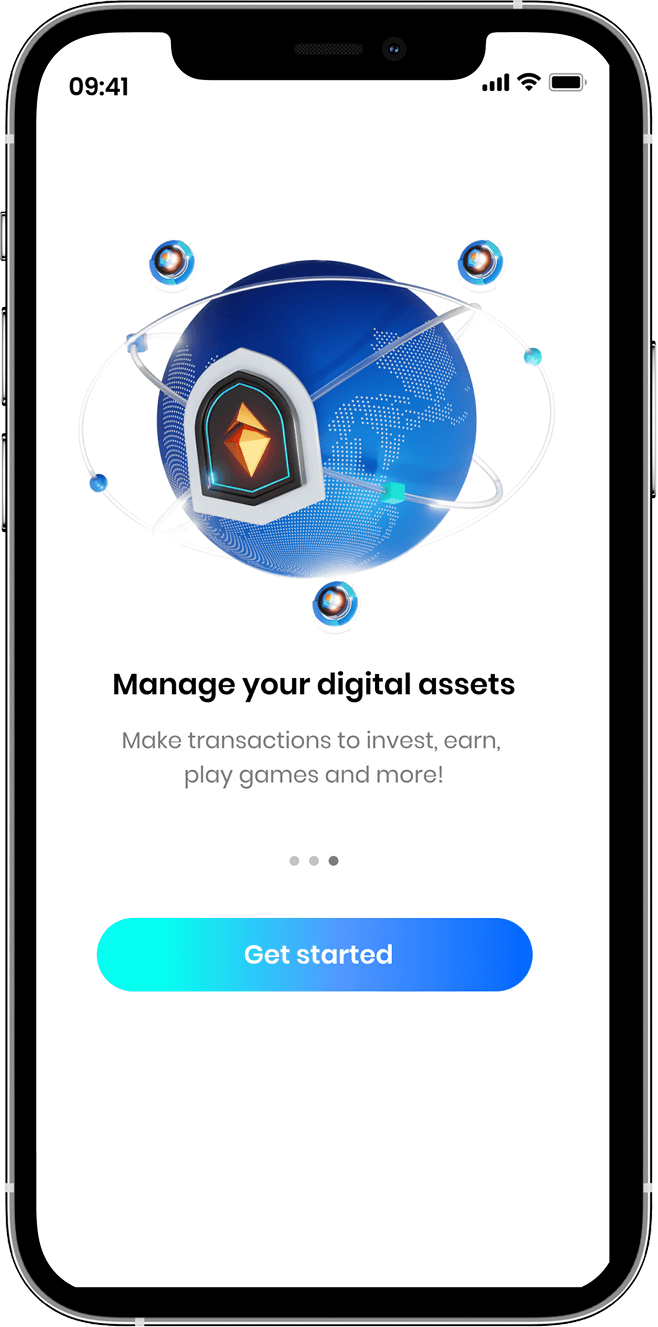
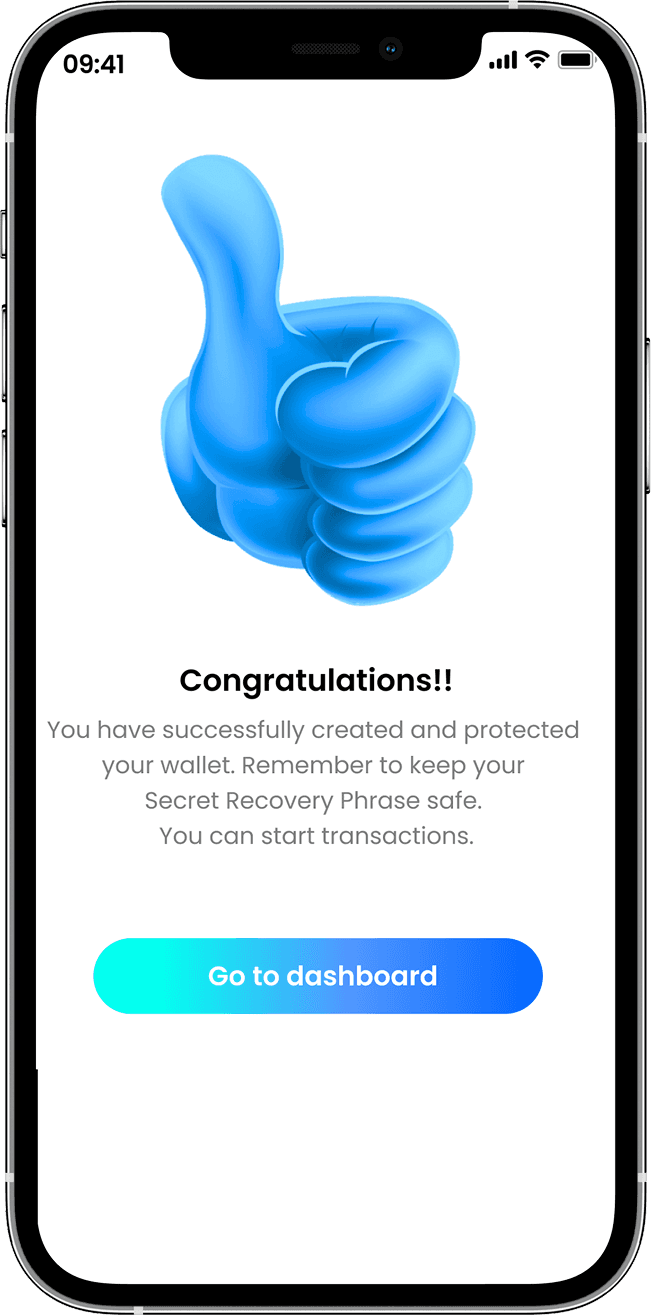
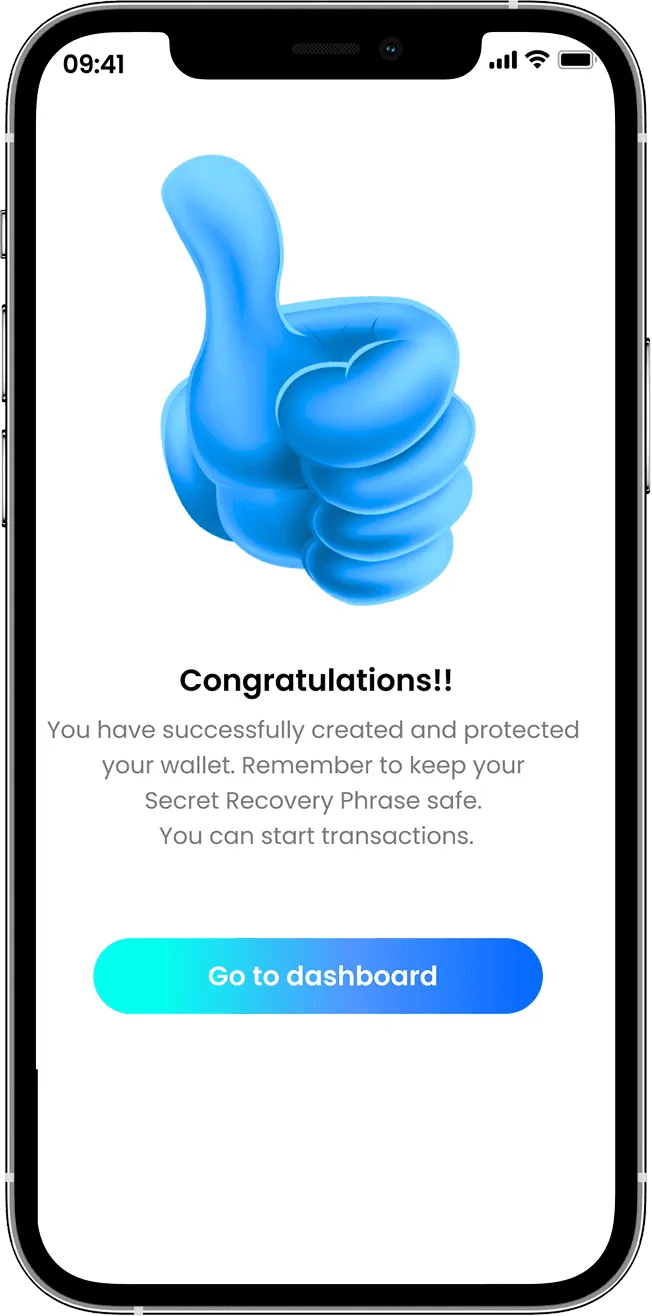
→ Screen 6: Celebrate. "You're in. Wallet ready." Clear next step: "Add funds" or "Explore apps."
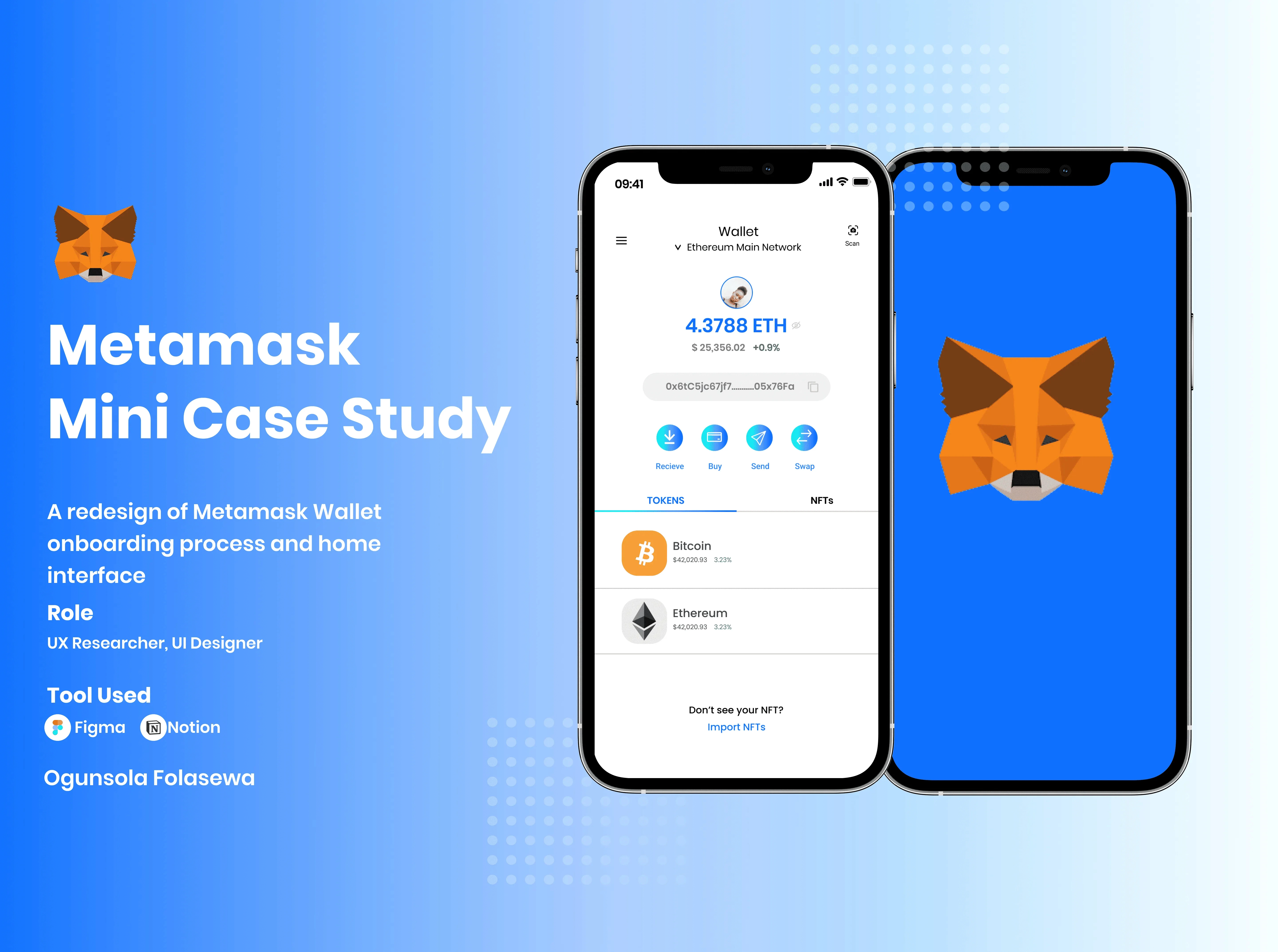
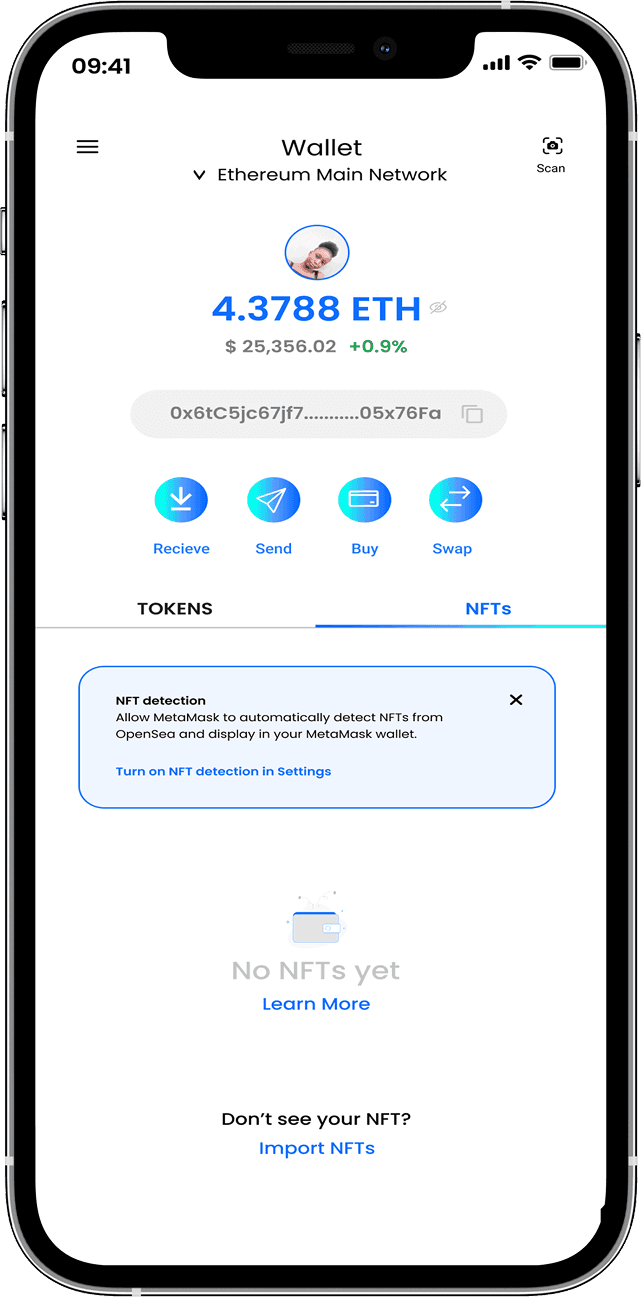
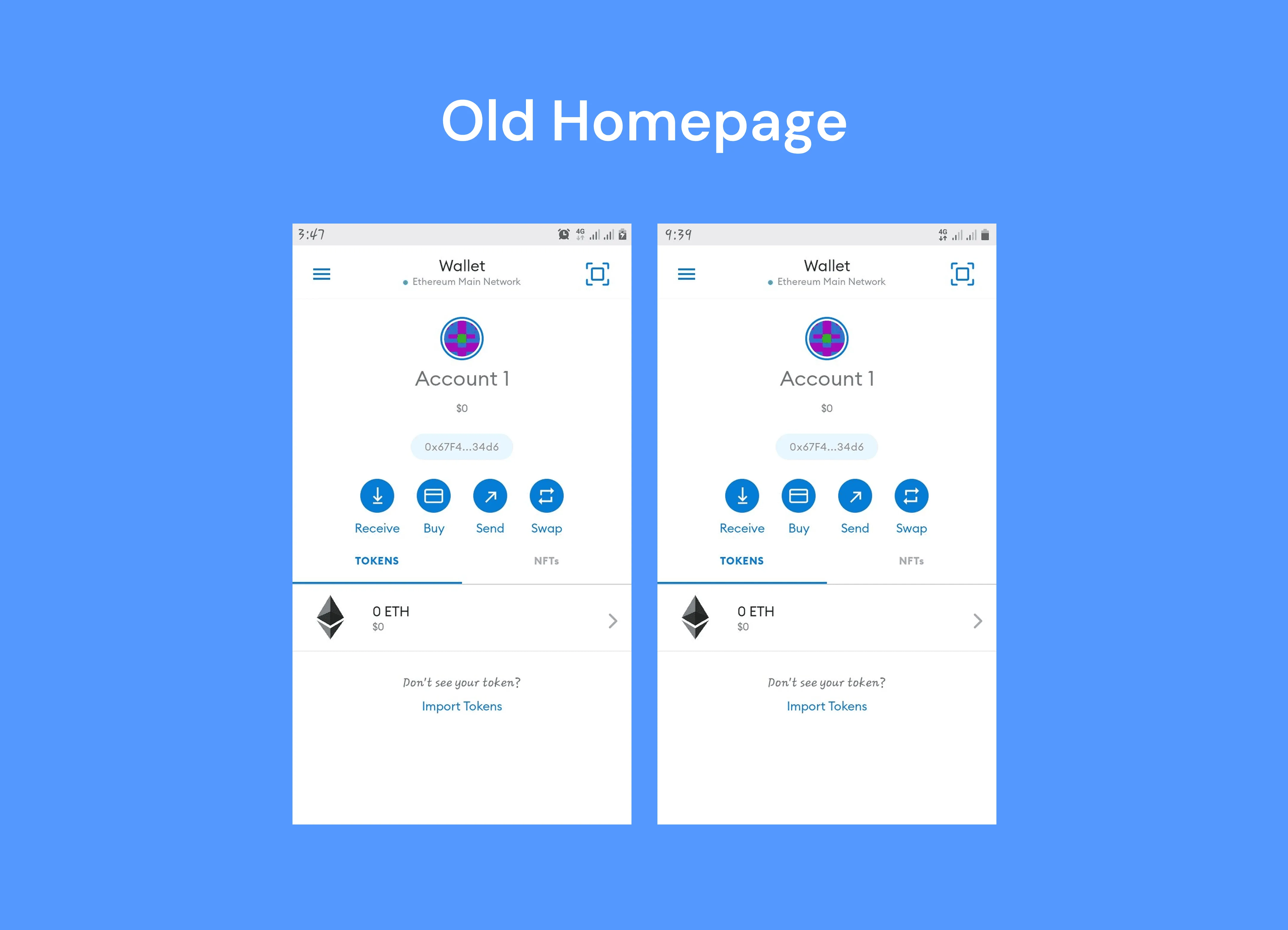
→ The old version was bare with just account name, $0 balance, truncated address, and action buttons. No context, no guidance, no market data.
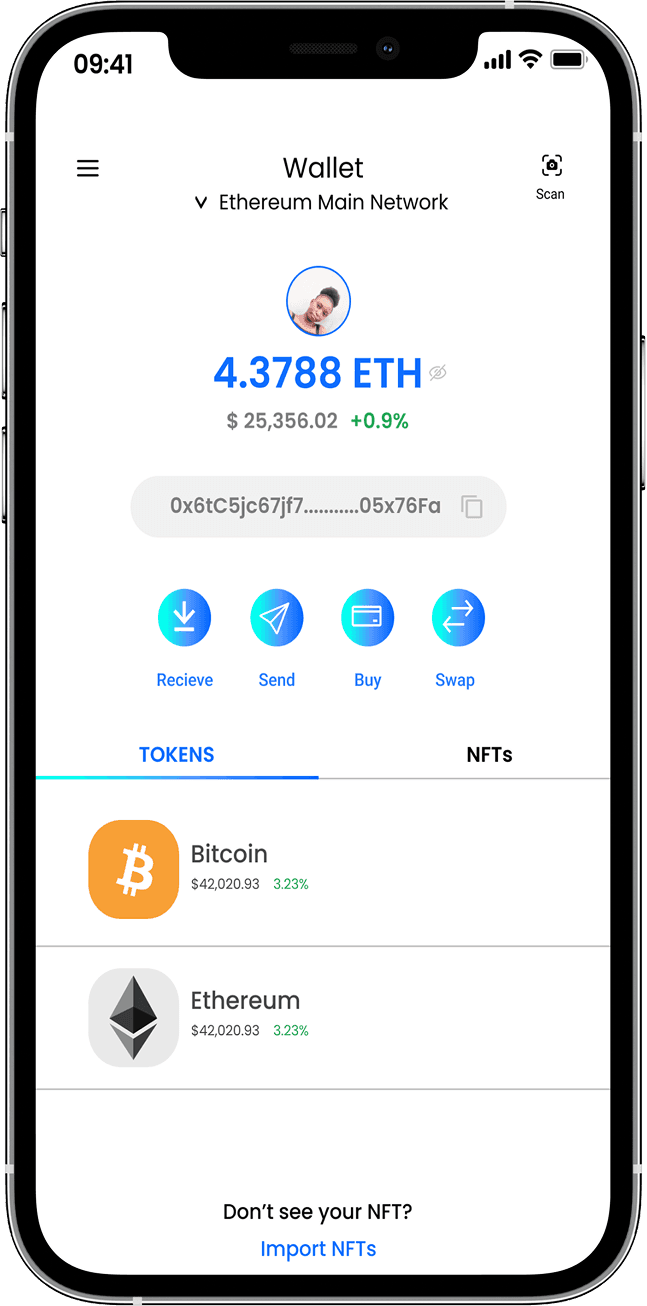
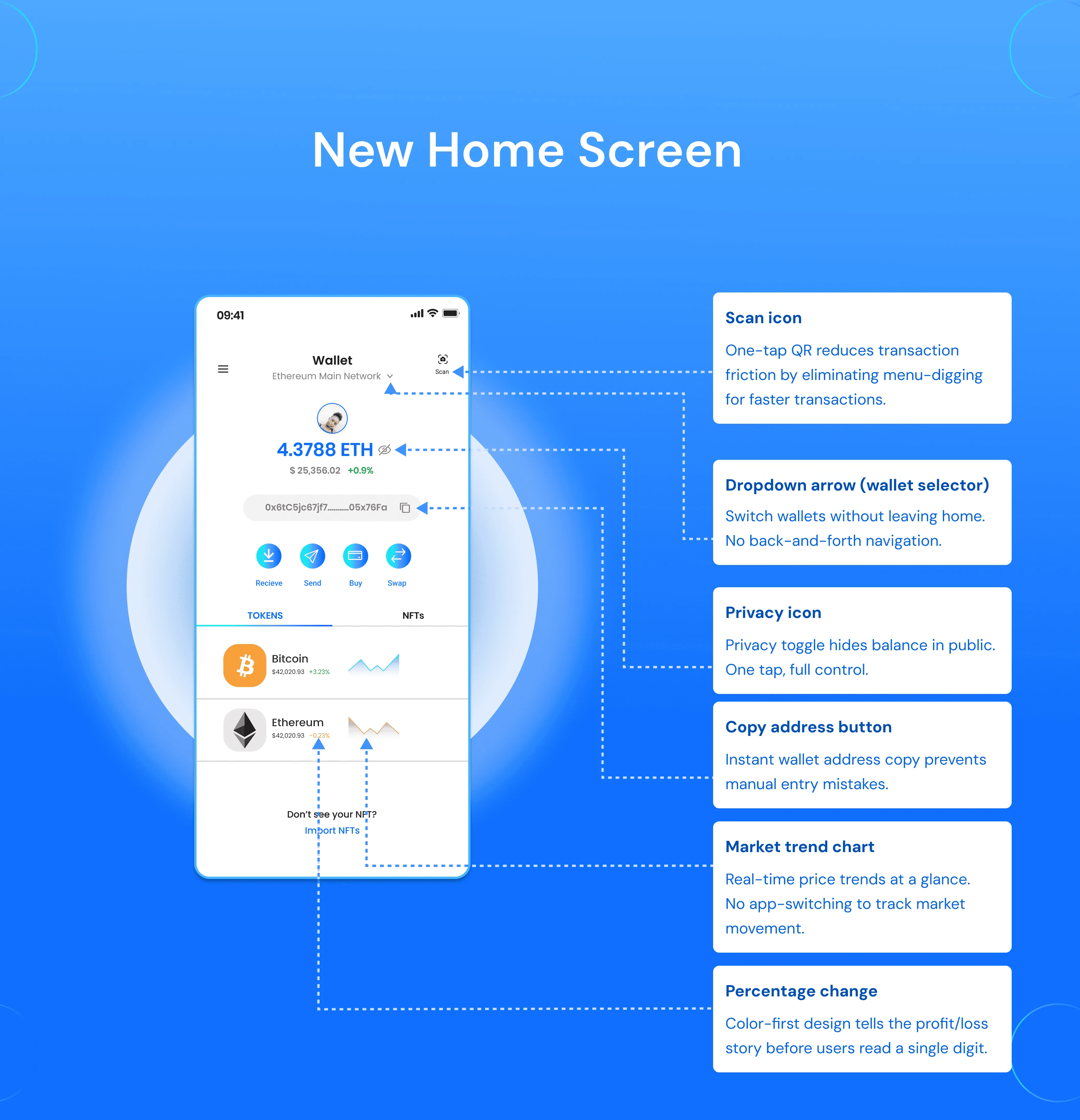
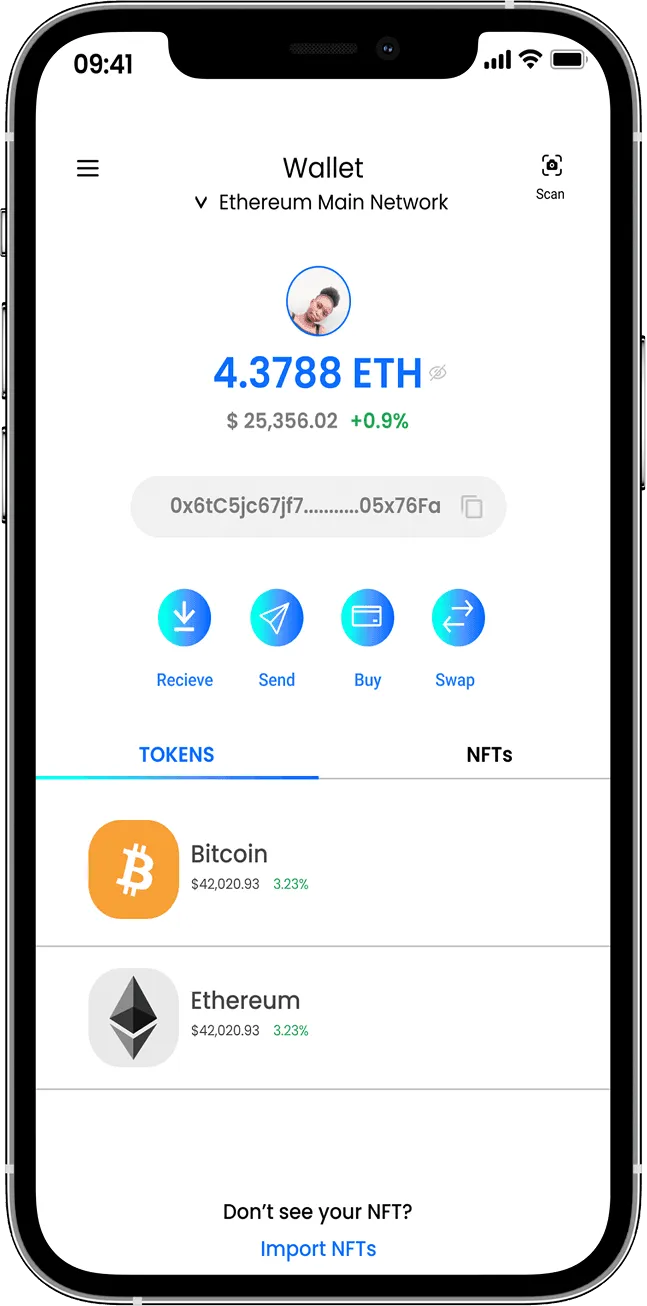
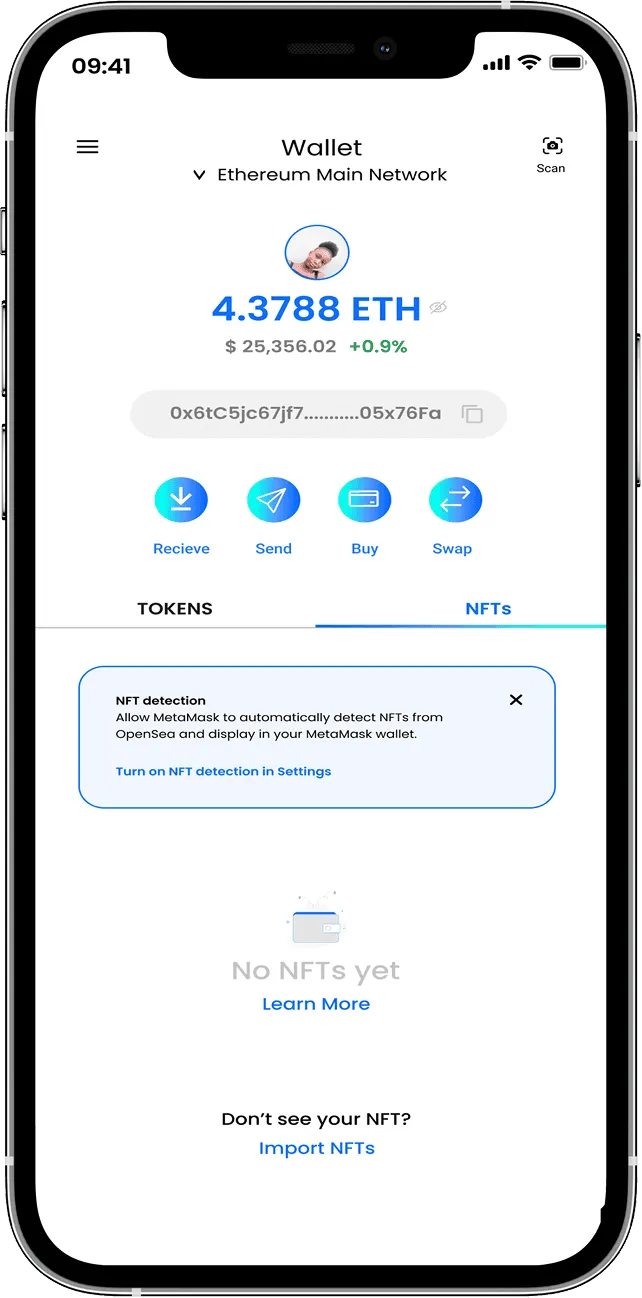
→ My redesign adds critical information and reduces friction:
Key improvements:
1. Progressive reveal → 12 words shown gradually, not all at once. Less panic, more attention, fewer screenshot mistakes.
2. Split paths early → Veterans skip ahead, newcomers get context. No one wastes time.
3. Homepage gets context → Market data visible without app-switching. One less reason to leave.
4. Jargon becomes English → "Master password you can't reset" > "cryptographic seed phrase for HD wallet derivation.
Concept project, so projections based on industry benchmarks and documented case studies:
40–60% Higher Retention
Users are projected to return within 24 hours thanks to clearer market data visibility.
Industry Validation
4 Web3 founders reached out to adapt these patterns, plus 100+ engagements on Behance & Twitter.
50% Faster Setup
Slashed time-to-creation from 8 mins to 4 mins by cutting redundant screens.
+30% Completion Rate
Projected lift in onboarding success, benchmarked against Coinbase’s progressive flow.
Onboarding:
Completion rate: Could improve 25-30% (Coinbase Wallet's 2022 progressive onboarding redesign saw 23% improvement)
Time to creation: 8 min → 4 min (50% drop based on removing 3 redundant screens and simplifying verification)
Verification success: 15-20 point increase (Nielsen Norman Group research shows chunking information in groups of 3-4 improves recall by 18-25%)
Home page:
Return rate in 24hrs: 40-60% higher with clear guidance and market data visibility
Context understanding: Users immediately see portfolio performance without searching
Address sharing errors: Instant copy reduces manual entry mistakes
Security behavior:
Secure storage: 40-50% improvement with 3-word chunks vs 12-word walls (Cognitive psychology research shows working memory handles 3-4 chunks effectively vs 7+ causing information loss)
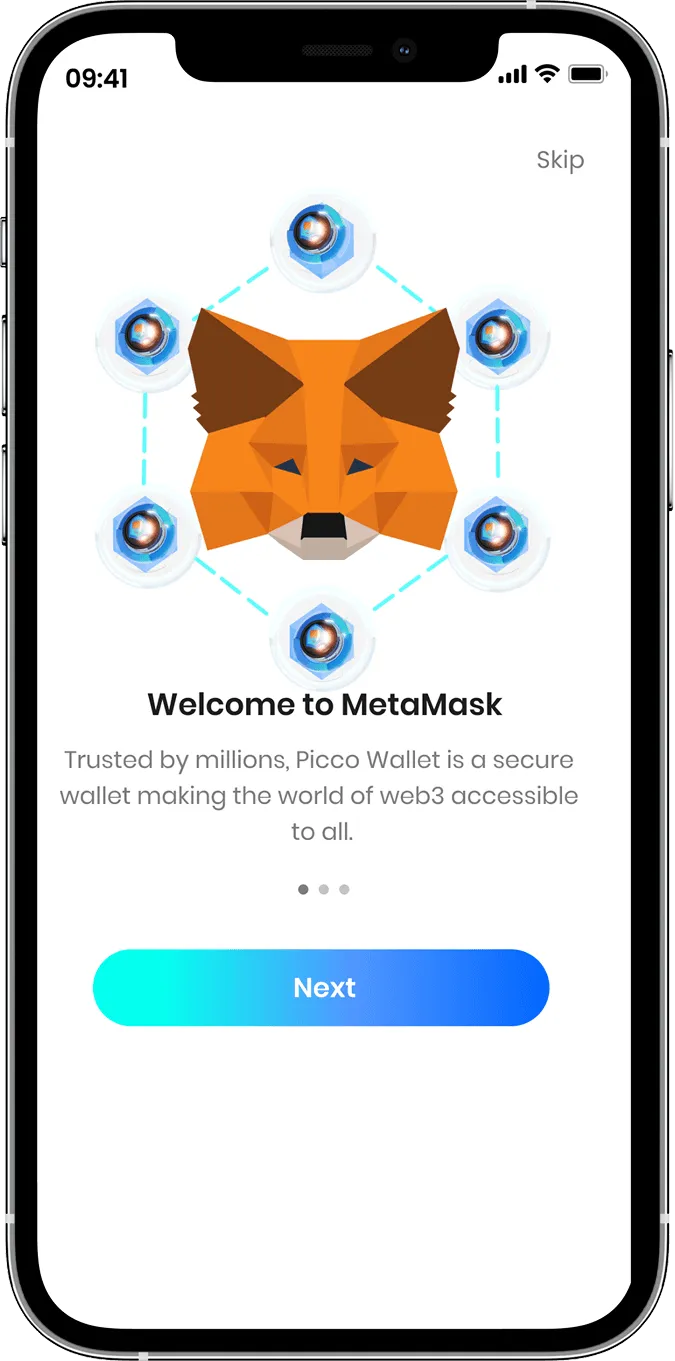
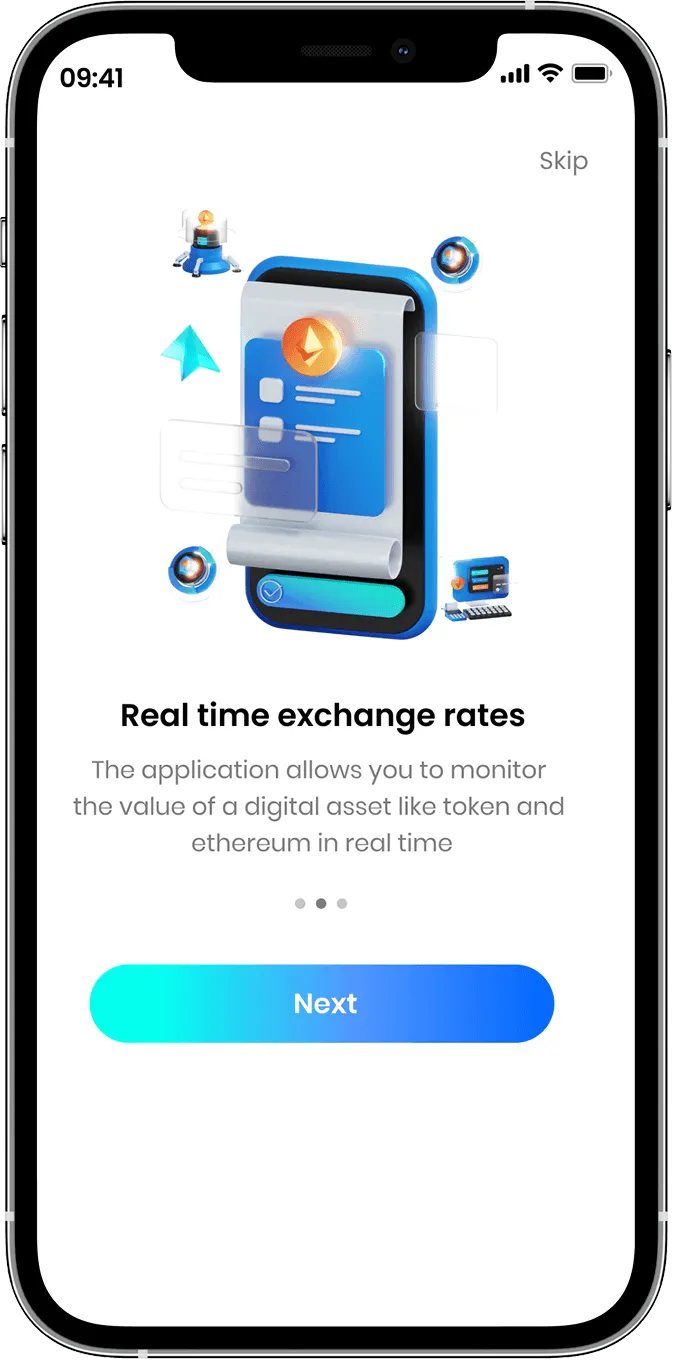
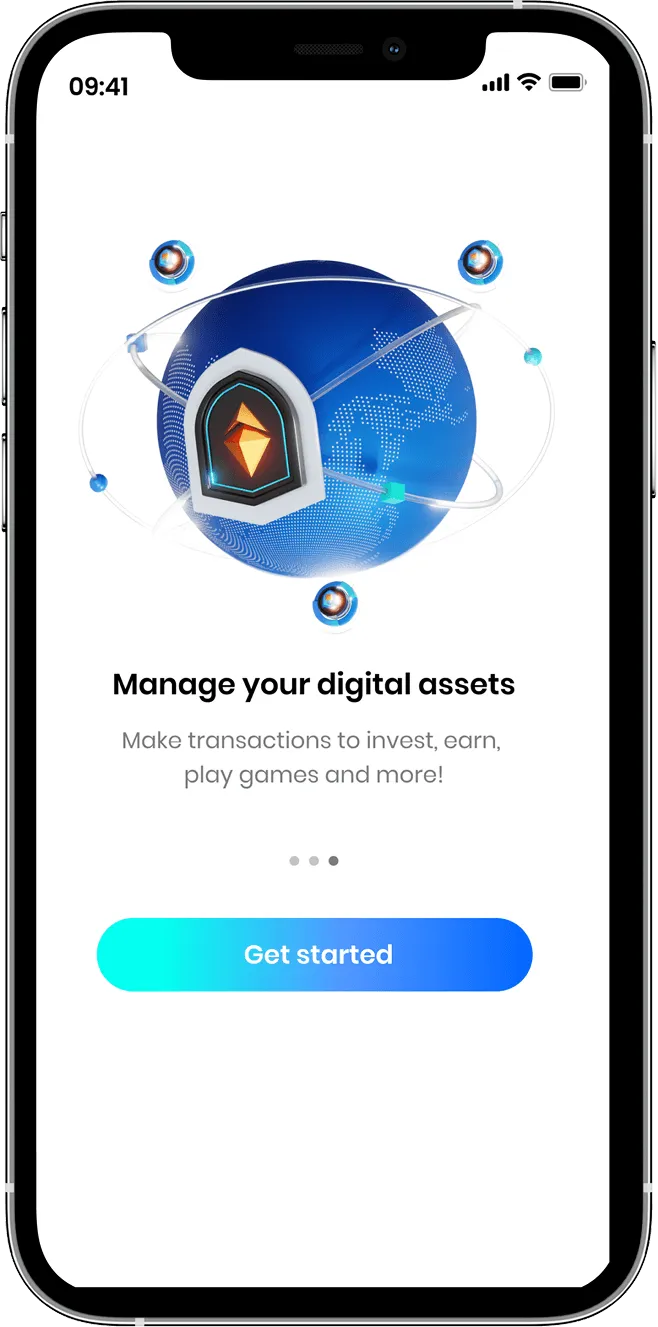
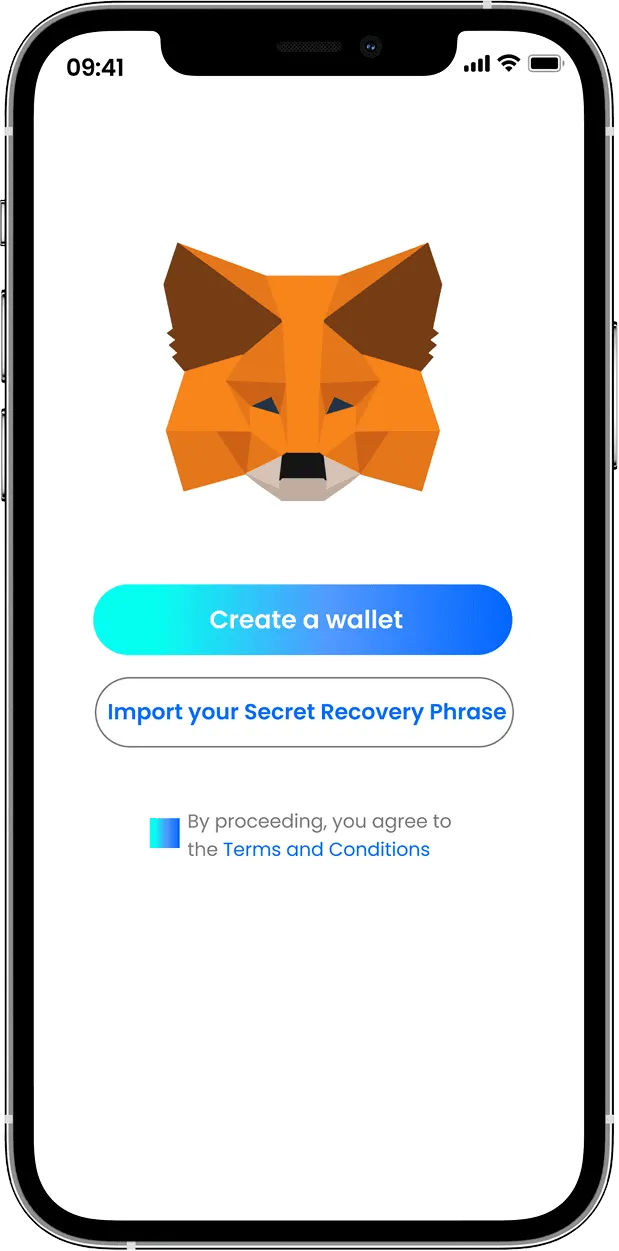
→ 100+ Behance engagements. Twitter traction. Design Discord buzz. The response split into three camps: Designers loved the progressive disclosure. Crypto newcomers said "finally, someone gets it." Senior PMs flagged it as solving real cognitive load problems.
Several Web3 founders reached out afterward, asking to adapt the patterns for their own products.
→ The redesign opened doors. Several Web3 founders reached out asking to adapt the patterns for their products. I also got multiple collaboration opportunities and freelance inquiries from the visibility.
→ The traction proved the insight: security can be uncompromising while experience is forgiving.
My five friends weren't enough—they told me what I wanted to hear. A proper focus group with 15-20 crypto newcomers would've revealed the friction I was blind to. Small samples hide edge cases. Diverse perspectives expose assumptions.
Add AI contextual help. Instant answers on hover, trained on MetaMask docs. "What's gas?" gets answered the moment someone's confused, not three clicks later.
Design wallet recovery, not just onboarding. Recovery is just as scary as setup. I optimized for happy paths and ignored crisis moments.
Show "Join 30M users" before seed phrases. Social proof builds trust right before we ask for something irreversible. Timing matters.
Make jargon teachable, not invisible. Tooltips for "ERC-20" or "gas fees" on hover. Small teaching moments that build literacy without interrupting flow. Don't protect users from complexity—introduce it progressively.
Include educational cards that rotate based on user behavior: "What are gas fees?", "How to spot scam tokens," "Backing up your wallet to cloud." Learning when ready, not forced. These would appear below the token list for progressive education without cluttering the core experience.
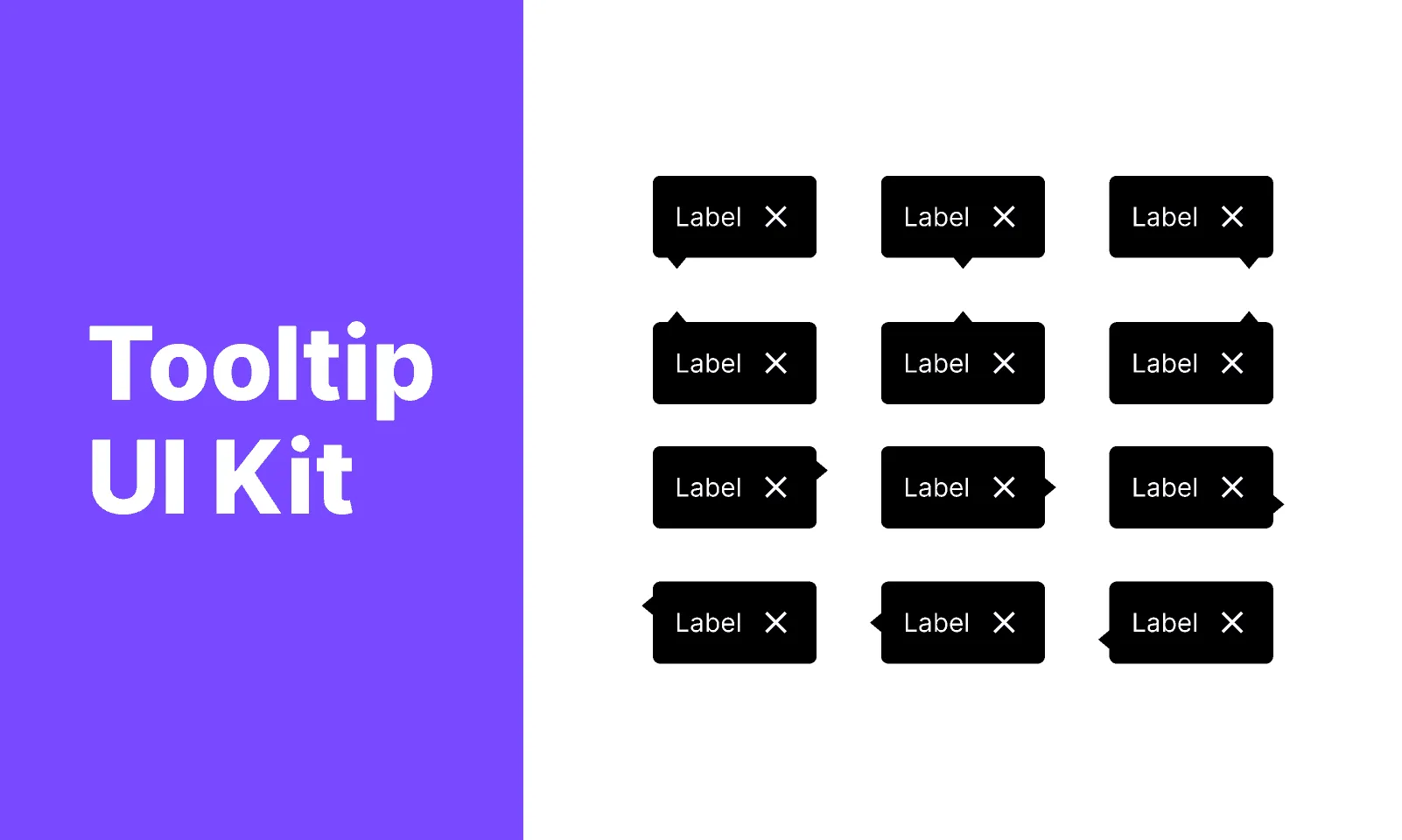
Img Source: https://www.figma.com/community/file/1228150585349393418/tooltip-ui-kit
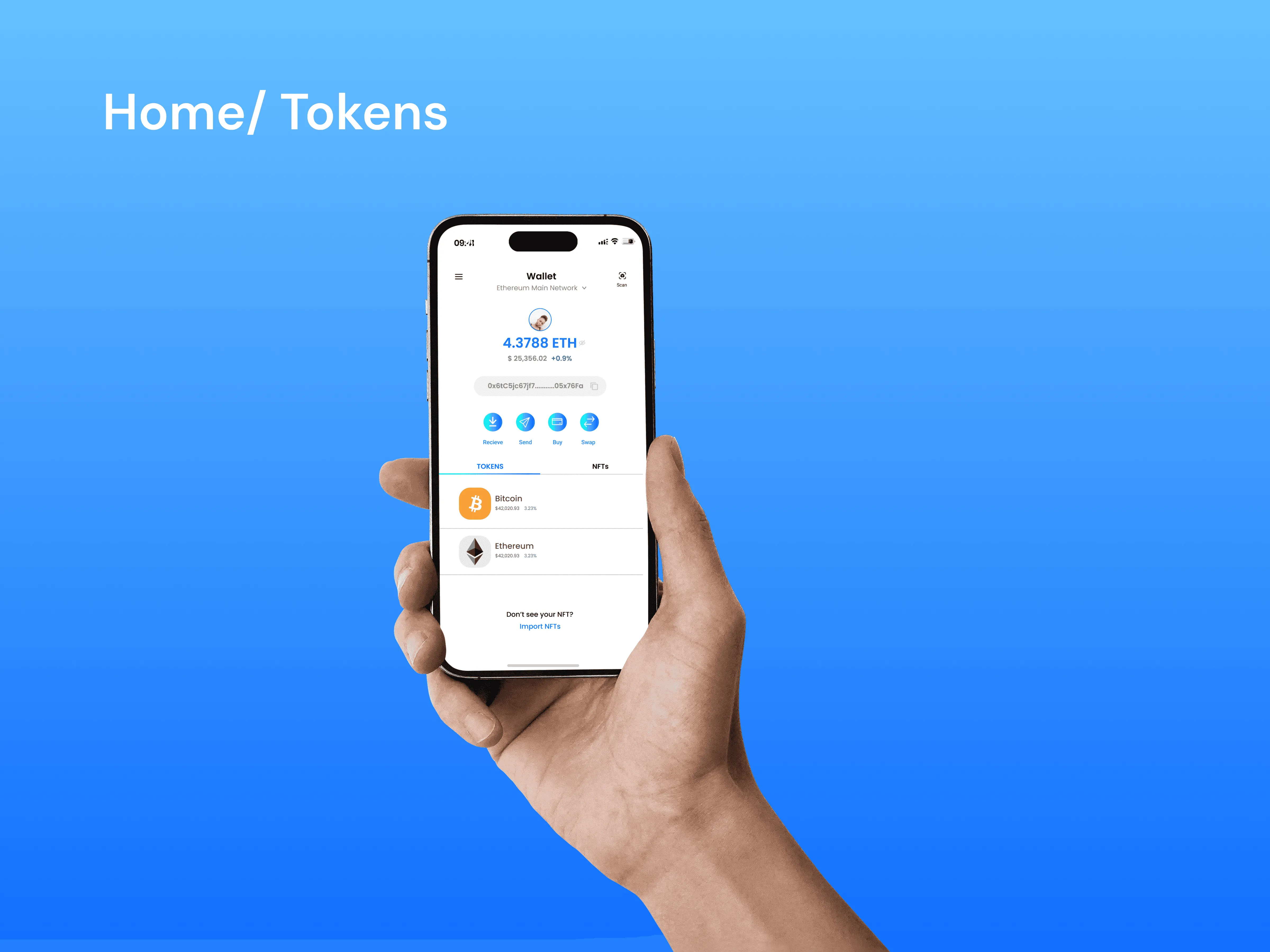
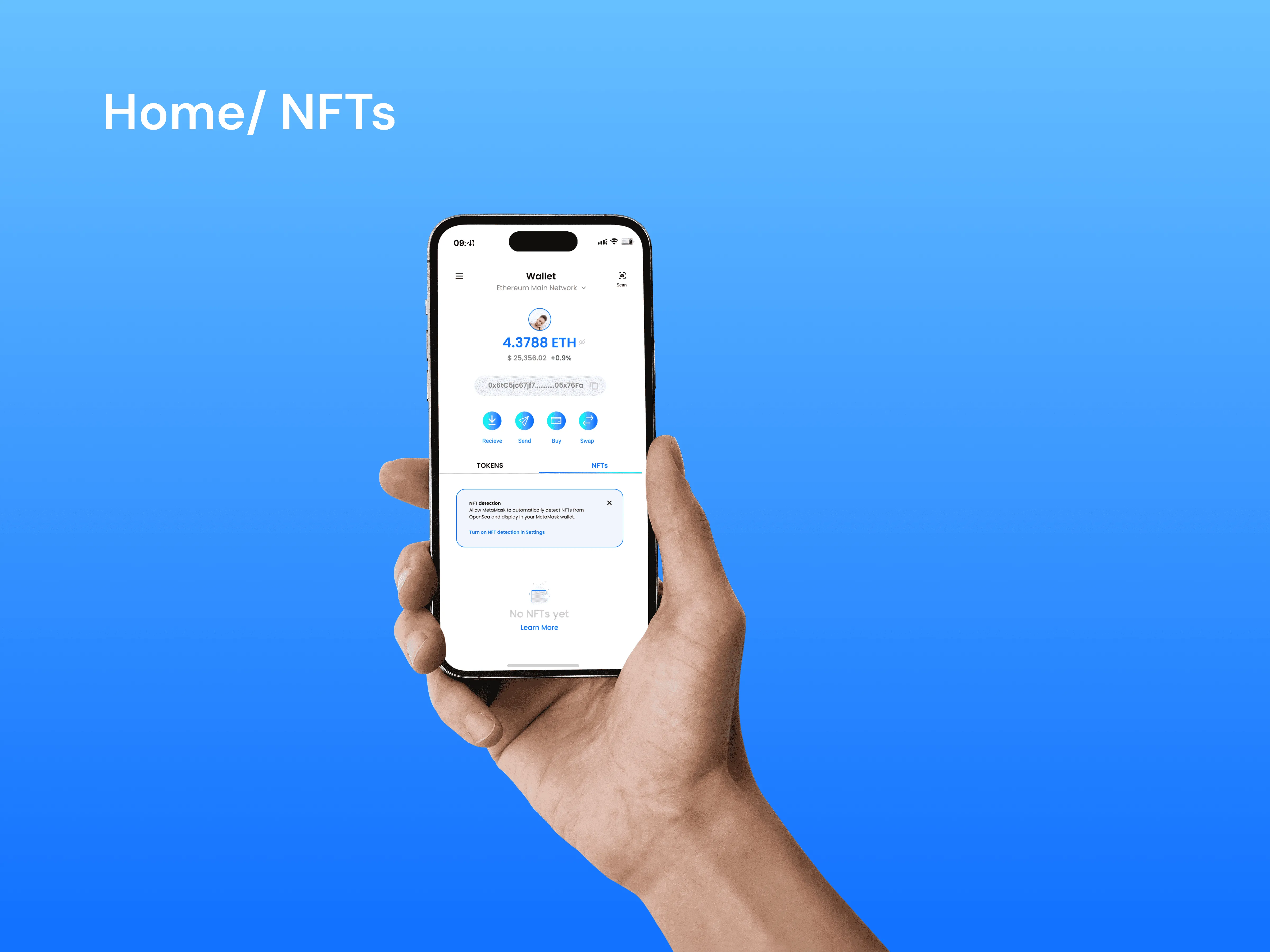
Img Source: https://www.figma.com/community/file/1228150585349393418/tooltip-ui-kit